The Tennessee Naturalist Program offers over a dozen continuing education workshops (TN2 classes) across the state every year. We get a lot of positive feedback about our workshops and instructors. We’d like to take this opportunity to explain our process and the limitations involved. Here are answers to some common questions and comments we get:
Why don’t you offer more classes in (wherever you live) ?
We do our best to offer classes in a variety of locations around the state. Over the last two years, we held TN2 classes in West Tennessee (Memphis, The TN National Wildlife Refuge, Reelfoot Lake, Paris Landing), the Western Highland Rim (Beaman Park), Middle Tennessee (Warner Park, Fort Negley, Henry Horton State Park, Cedars of Lebanon, Murfreesboro), the Cumberland Plateau (Sequatchie, Cumberland Mountain, Standing Stone), and East Tennessee (Frozen Head). We also offer online classes. We are currently seeking more new class options in East Tennessee, near Knoxville and Chattanooga.
We are always looking to expand our offerings, both topics and locations, across the entire state of Tennessee.
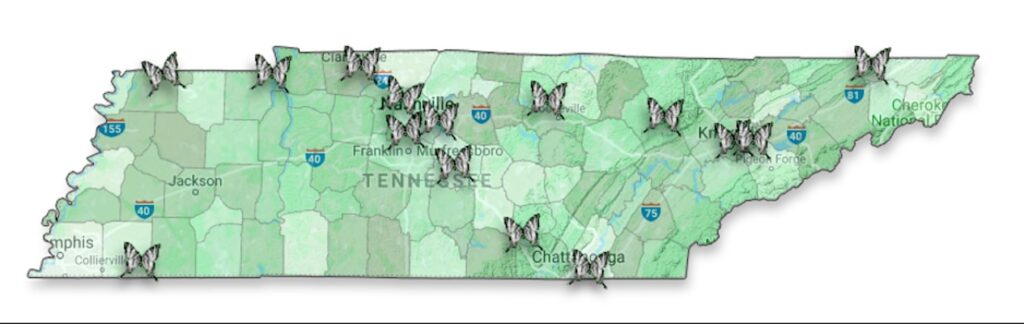
Where we can hold classes depends on three main factors:
- Physiographic location. Some class topics require specific geographic locations with specific accessible features, as with “Caves and Karst” or “Swamp Ecology.”
- Instructor’s availability. Locations of classes are limited by where and when our instructors can travel to teach.
- Venue. For every class, not only do we have to create curriculum and find suitable expert instructors, we must also find locations that are appropriate to the class topic AND willing to host a class.
The classes always seem to fill up before I can get in! 👎🏼
We know that’s frustrating, but that also means we’re developing popular workshops.
We limit class sizes for a variety of reasons:
- Registration limits vary from class to class. We trust the instructor’s judgment about the maximum number of students we can have while still delivering a quality education experience.
- Sometimes we must limit how many physical boots are on the ground in sensitive areas, like cedar glades and caves.
- There can be facility, equipment, or logistic limits, such as classroom size, special gear, or transportation.
FYI, there is an early-bird registration window that opens a few days early for Certified Tennessee Naturalists – it’s one of the perks of becoming certified!
When are you going to make up the _______ class that was canceled?
Occasionally we have to cancel a workshop due to instructor illness or family emergency, inclement weather, or even government shutdown. We will always try to reschedule a canceled workshop but must begin anew juggling instructor, venue, and equipment availability.
Your classes never fit my schedule ☹️
Most TN2 workshops are held on Saturdays to accommodate typical work schedules. Occasionally, due to the variables noted above, we must schedule on a weekday. Registration usually opens at least 5 or 6 weeks before the workshop, and we try to announce up-and-coming workshops well in advance for students’ planning.
Why do TN2 classes cost so much?
As a nonprofit, we endeavor to make TN2 workshop fees as wallet friendly as possible, but many expenses must be covered and factored into our calculations:
- TNP is mostly run by volunteers, but our Operations Manager is a full-time, salaried employee.
- A portion of class fees goes towards paying the venue for hosting our class. Our TN2 classes generate revenue for our hosting sites.
- Some of our instructors can volunteer, but some of them make their living teaching this stuff and need to be paid.
- As anyone who runs a small business or nonprofit knows, our organization still has normal expenses like website hosting, email management, student materials, and insurance. None of that is free.
Right now, TN2 pricing averages out to about $15 per hour of continuing education, and that is on par with the pricing of similar programs in other states.
Why don’t you have a class on ?
Our all-volunteer CE committee makes a concerted effort to increase the variety of workshops and their locations across the state. but can only do so much. You can help by locating qualified instructors and host sites in your area. We are always looking for new teachers and topics and welcome your input!